Newsroom
2 Dec, 2024
Improving Mental Health Among Haitian Immigrants in the United States
Improving Mental Health Among Haitian Immigrants in the United States
Policy Brief by Alice Chen
Introduction
Mental health has become a critical issue in recent years. According to the National Institute of Mental Health, about one in five U.S. adults live with mental illness. Yet, despite its prevalence, mental health services remain very limited for minority groups. Only 39% of African Americans with mental health needs sought and received treatment. Without early detection and effective treatments, minor mental health issues can develop into serious conditions leading to tragic outcomes such as suicide.
This policy brief examines the mental health picture among Haitian immigrants, provides background information, outlines the problem, and proposes solutions. We hope to draw attention from policymakers, advocacy groups, educational institutions, and the general public.
Background
According to 2022 data, approximately 731,000 Haitian immigrants live in the U.S., comprising about 2% of all U.S. immigrants. They are highly concentrated in Florida (49%), New York, and New Jersey. The Haitian immigration wave began around the 1980s due to violence and economic hardship in Haiti.
Haitian immigrants face unique mental health challenges arising from their immigration experience: trauma from violence and instability in Haiti, the stress of adapting to a new culture and language, economic hardship and poverty, discrimination and racism, separation from family and support networks, and fear related to immigration status.
Mental Health Challenges
Key mental health conditions affecting Haitian immigrants include:
- PTSD (Post-Traumatic Stress Disorder): Many Haitian immigrants have experienced violence, natural disasters (including the 2010 earthquake), and political instability, leading to high rates of PTSD.
- Depression: The cumulative stress of migration, loss of community, and economic pressures contribute to depression.
- Anxiety: Immigration-related fears and uncertainty about legal status contribute to chronic anxiety.
- Cultural Stigma: In Haitian culture, mental health issues are often stigmatized and linked to spiritual weakness. This cultural barrier prevents many from seeking help.
Policy Recommendations
- Increase Culturally Competent Mental Health Services: Fund and expand mental health services that are culturally and linguistically appropriate for Haitian immigrants, including services in Haitian Creole and French.
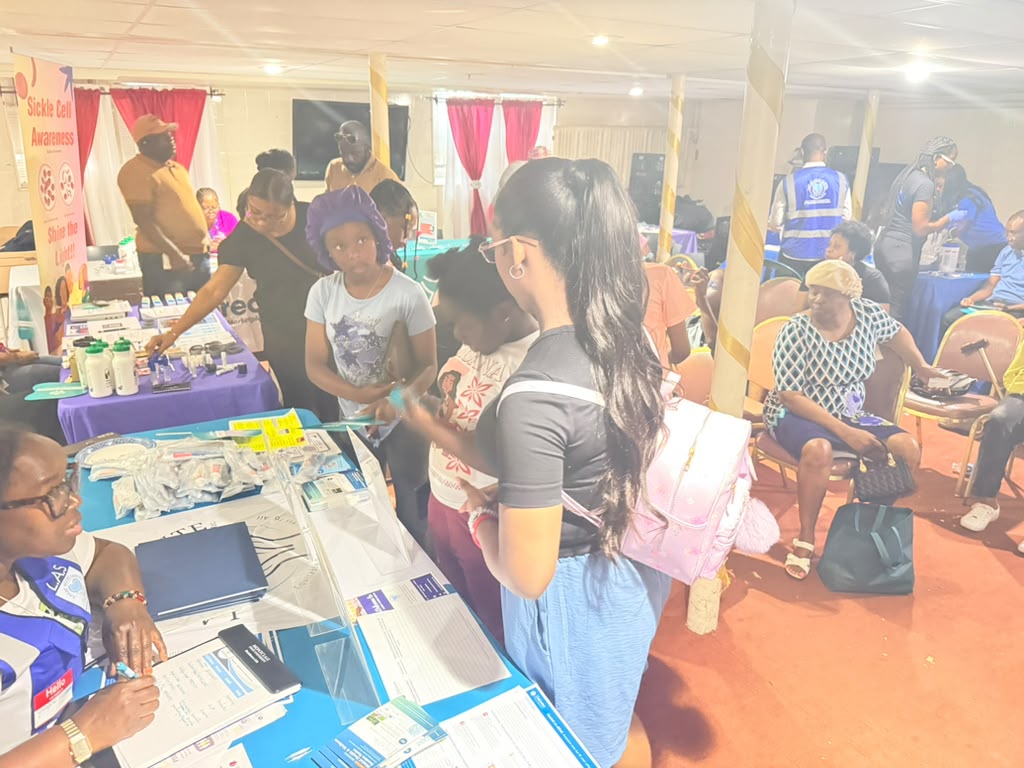
- Community-Based Outreach: Partner with Haitian community organizations, churches, and community leaders to reduce stigma and increase awareness of mental health resources.
- Trauma-Informed Care Training: Train healthcare providers who work with immigrant populations in trauma-informed care approaches.
- Expand Insurance Coverage: Advocate for policies that expand mental health coverage for immigrants, regardless of immigration status.
- Peer Support Programs: Develop peer support programs led by Haitian community members who have navigated the mental health system successfully.
- Data Collection: Invest in research to better understand the mental health needs of Haitian immigrants and the effectiveness of interventions.
Conclusion
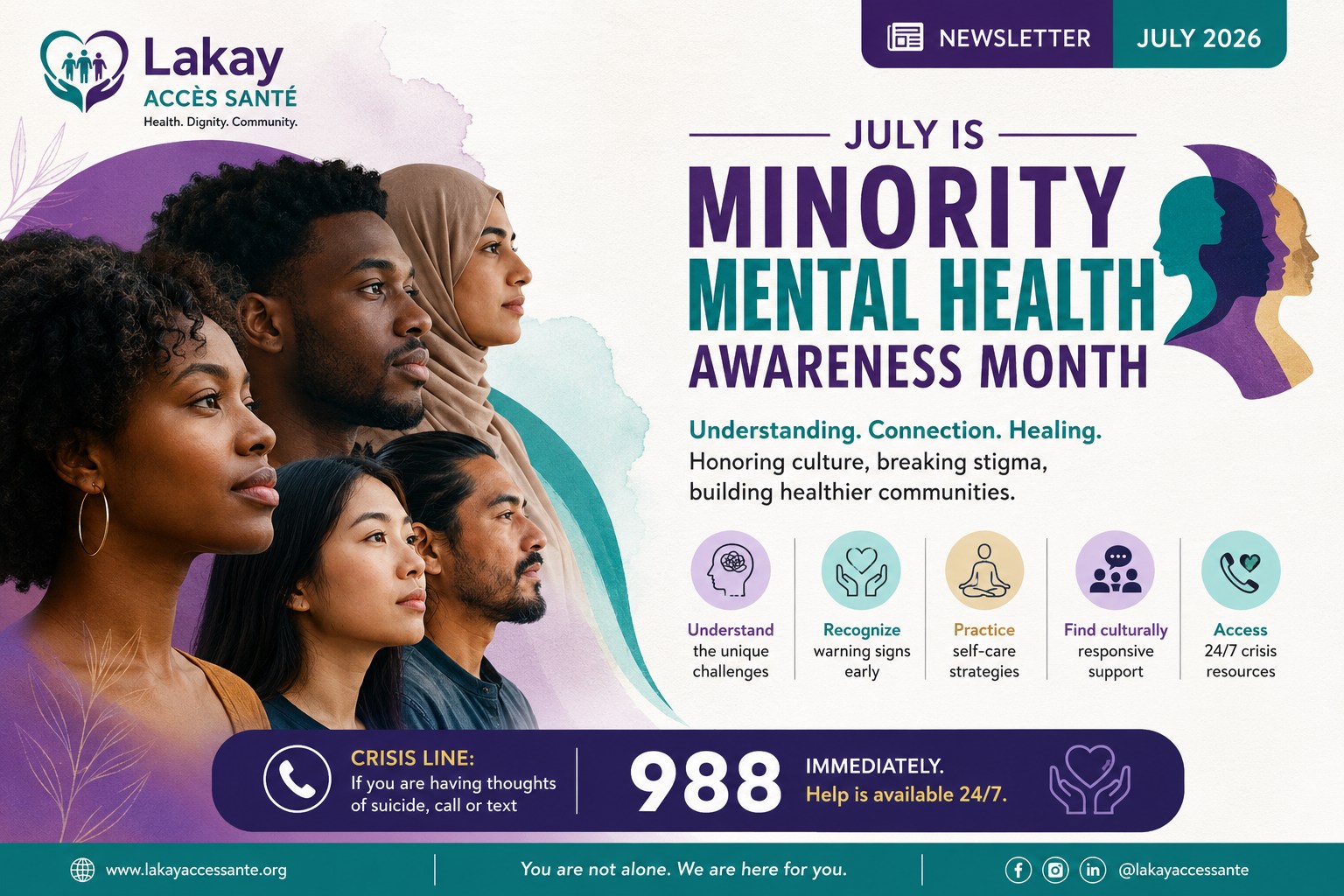
Haitian immigrants in the United States face significant mental health challenges stemming from their pre-immigration experiences, the migration process, and the challenges of adapting to American life. Addressing these challenges requires culturally competent, community-centered approaches that reduce stigma and increase access to care. Lakay Acces Sante is committed to advocating for improved mental health services and support for the Haitian immigrant community in New Jersey.




Leave a Comment