Sala de Prensa
2 dic., 2024
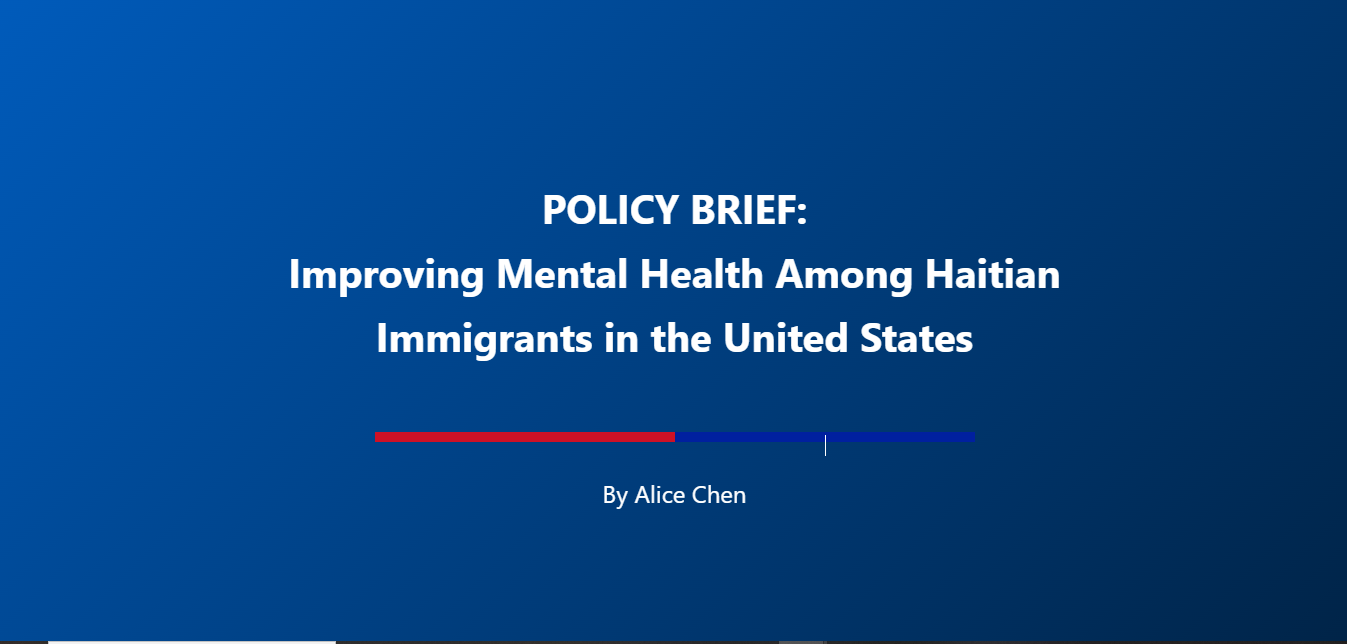
Mejorando la Salud Mental de los Inmigrantes Haitianos en los Estados Unidos
Mejorando la Salud Mental entre los Inmigrantes Haitianos en los Estados Unidos
Informe de Política por Alice Chen
Introducción
La salud mental se ha convertido en un problema crítico en los últimos años. Según el Instituto Nacional de Salud Mental, aproximadamente uno de cada cinco adultos estadounidenses vive con una enfermedad mental. Sin embargo, solo el 39% de los afroamericanos con necesidades de salud mental buscan y reciben tratamiento.
Este informe de política examina la salud mental de los inmigrantes haitianos, proporciona información contextual y propone soluciones para abordar mejor este problema.
Antecedentes
Según datos de 2022, aproximadamente 731,000 inmigrantes haitianos viven en los EE.UU., lo que representa alrededor del 2% de todos los inmigrantes estadounidenses, concentrados principalmente en Florida (49%), Nueva York y Nueva Jersey.
Los inmigrantes haitianos enfrentan desafíos únicos de salud mental: trauma por violencia, estrés de adaptación a una nueva cultura e idioma, dificultades económicas, discriminación y racismo, separación familiar, y miedo relacionado con el estatus migratorio.
Desafíos de Salud Mental
- TEPT: Muchos inmigrantes haitianos han experimentado violencia, desastres naturales e inestabilidad política, lo que lleva a altas tasas de TEPT.
- Depresión: El estrés acumulativo de la migración y las presiones económicas contribuyen a la depresión.
- Ansiedad: Los miedos relacionados con la inmigración y la incertidumbre contribuyen a la ansiedad crónica.
- Estigma Cultural: En la cultura haitiana, los problemas de salud mental a menudo están estigmatizados, lo que impide que muchos busquen ayuda.
Recomendaciones de Política
- Aumentar los servicios de salud mental culturalmente competentes en criollo haitiano y francés.
- Desarrollar la sensibilización comunitaria con organizaciones haitianas, iglesias y líderes comunitarios.
- Capacitar a los profesionales de salud en atención informada sobre trauma.
- Abogar por políticas que amplíen la cobertura de salud mental para inmigrantes.
- Desarrollar programas de apoyo entre pares liderados por miembros de la comunidad haitiana.
- Invertir en investigación para comprender mejor las necesidades de salud mental de los inmigrantes haitianos.
Conclusión
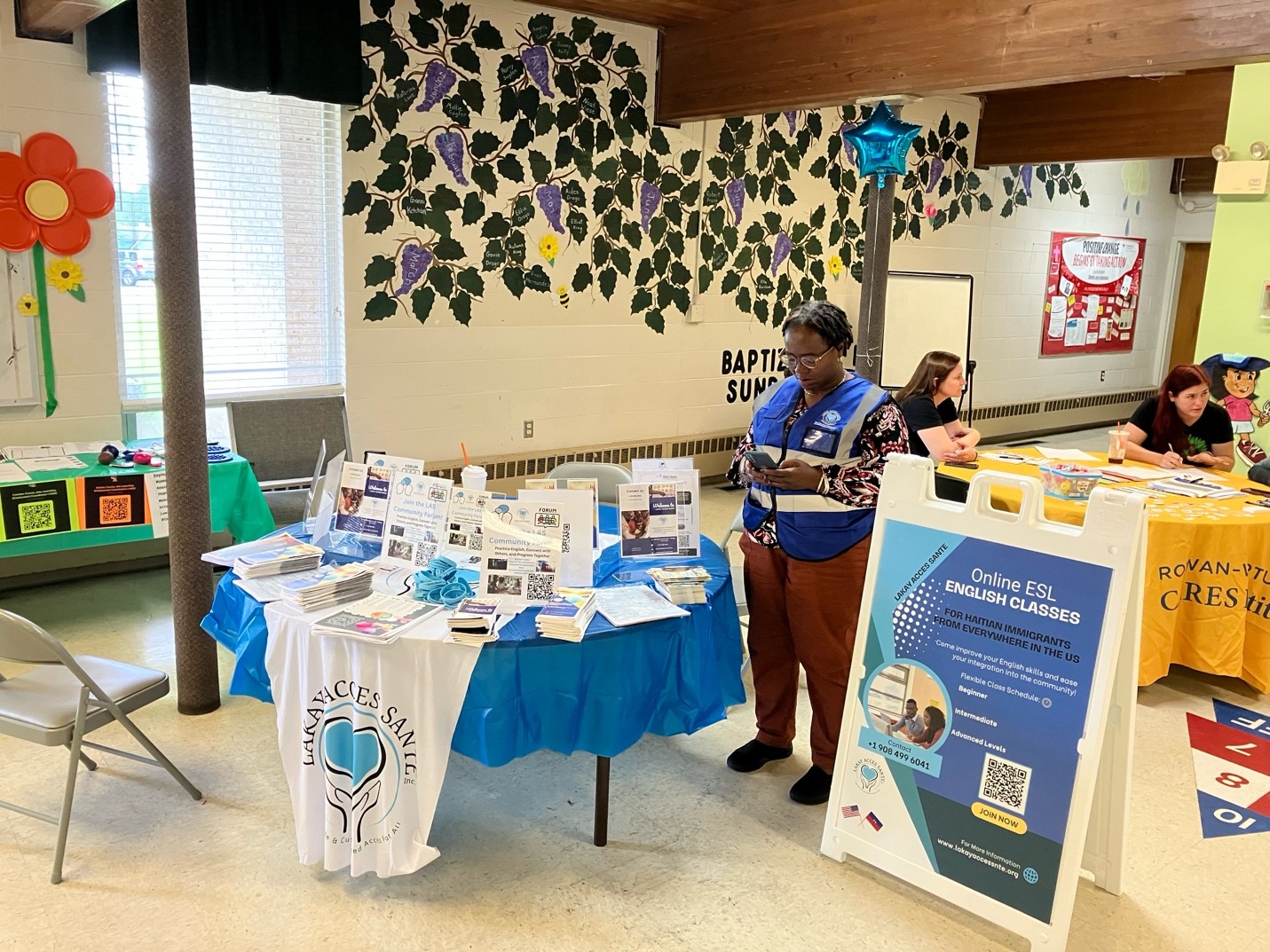
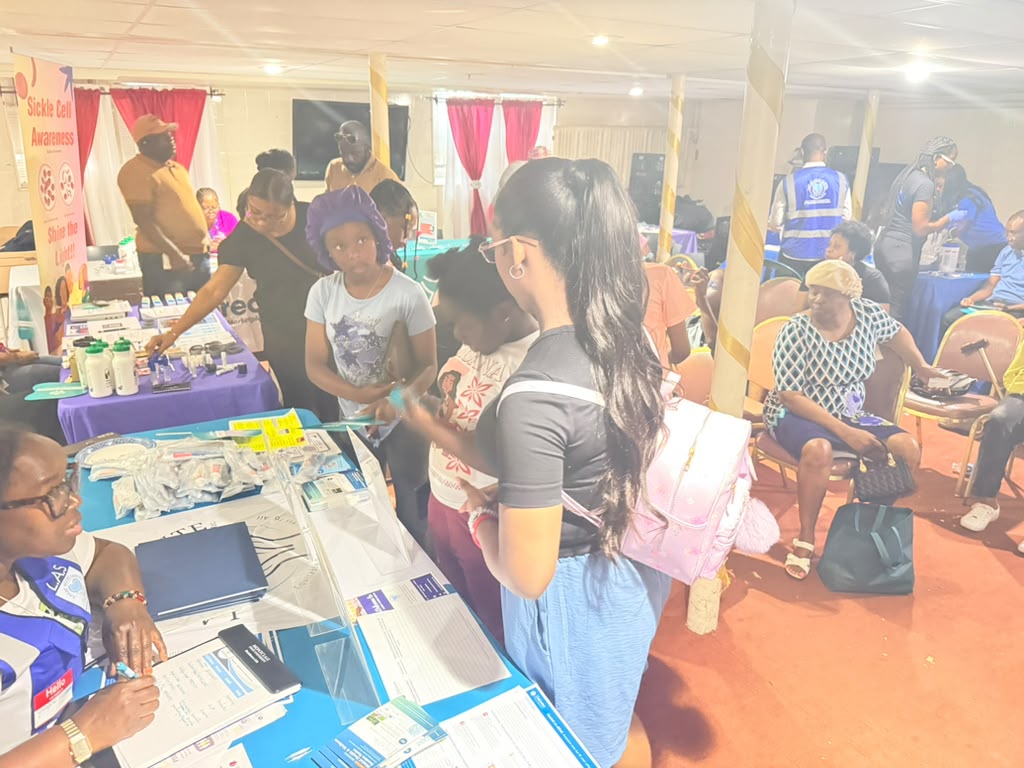
Los inmigrantes haitianos en los Estados Unidos enfrentan importantes desafíos de salud mental. Abordar estos desafíos requiere enfoques culturalmente competentes y centrados en la comunidad. Lakay Acces Sante está comprometido a abogar por la mejora de los servicios de salud mental para la comunidad inmigrante haitiana en Nueva Jersey.



Leave a Comment