Nouvèl
24 mai, 2026
Sante Matènèl : Pwoteje Manman yo, Bati Fanmi Ki Pi Ansante
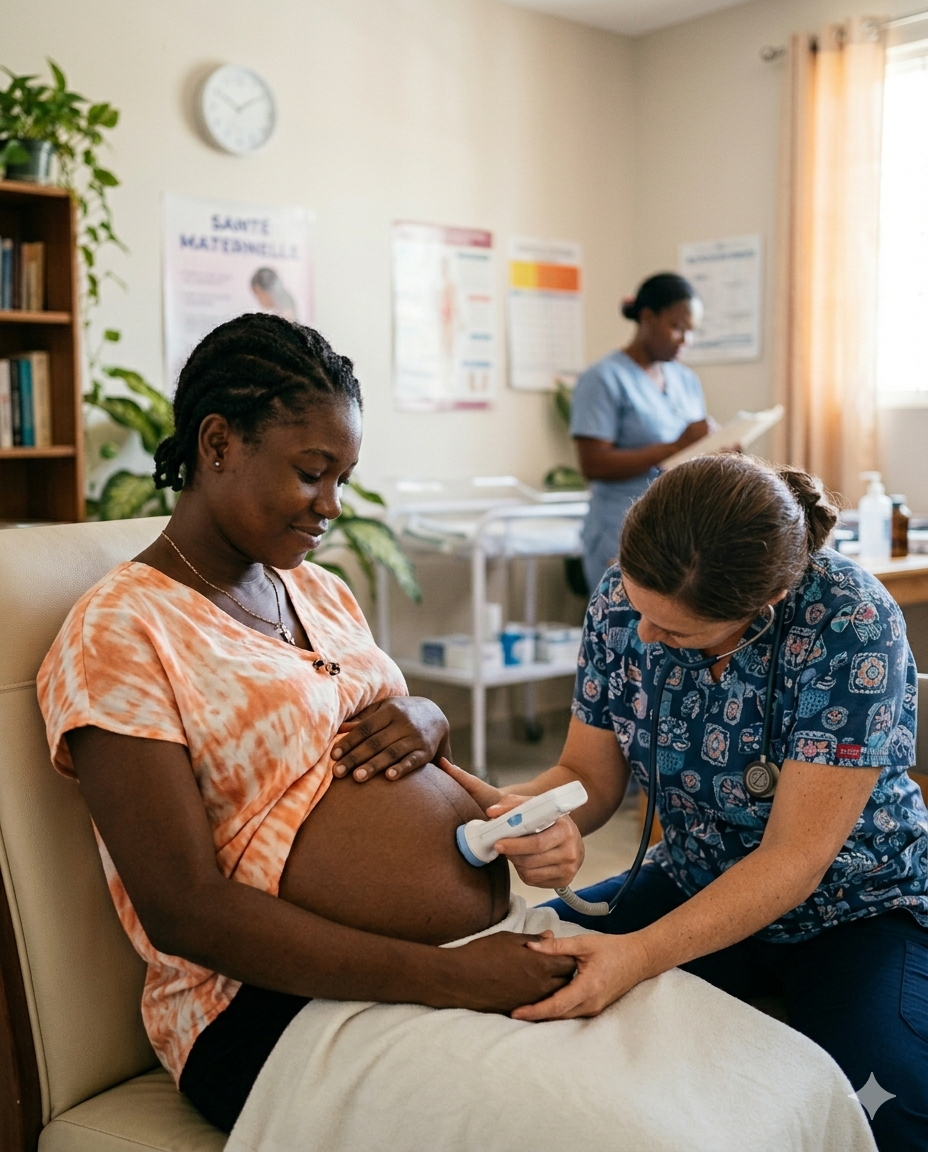
Me se Mwa Nasyonal Konsyantizasyon Sante Matènèl — yon moman pou reflechi sou sante, sekirite, ak byennèt manman yo anvan, pandan, ak apre akouchman. Nan Etazini, 32,9 manman mouri pou 100 000 nesans vivan (2021) — to ki pi wo nan peyi rich yo — epi 84 % nan lanmò sa yo ka evite. Nan Lakay Accès Santé, nou kwè ke chak manman merite swen, enfòmasyon, ak sipò li bezwen pou epanouyi. Mwa sa a nou pataje konesans esansyèl pou pwoteje manman yo ak bati fanmi ki pi ansante.
Kisa Sante Matènèl ye ?
Sante matènèl kouvri byennèt fizik, mantal, ak sosyal yon fanm pandan twa fenèt kritik :
- Prenatal (pandan gwosès) — Vizit regilye, depistaj, nitrisyon, ak siveyans tou de manman ak tibebe a depi konsepsyon jis akouchman.
- Travay & Akouchman — Pratik akouchman an sekirite, aksè a pwofesyonèl akouchman ki kalifye, ak jesyon rapèl komplikasyon pandan akouchman.
- Apre akouchman (apre nesans) — Sipò pou rekiperasyon, swen sante mantal, asistans pou bay tete, ak vizit swiv nan semèn ak mwa ki vin apre akouchman.
Twa fenèt sa yo egzije aksè a swen sante kalite, kiltirèlman konpetan, ak abòdab — epi aksè sa a pa egal pou tout fanm.
Panorama — Sante Matènèl nan Chif
Etazini ap fè fas ak yon kriz sante matènèl ki afekte disproporsyonèlman fanm koulè ak kominote ki pa gen anpil resous. Estatistik kle yo :
- 32,9 lanmò matènèl pou 100 000 nesans vivan an 2021 — to ki pi wo nan peyi ki gen gwo revni yo.
- Fanm Nwa mouri akòz kòz ki lye ak gwosès a 3 fwa to fanm blan yo ; fanm Hispanik a 1,8 fwa.
- 84 % lanmò matènèl Ozetazini ka evite.
Espesyalman nan New Jersey :
- Manman Nwa yo fè fas ak 46,5 lanmò pou 100 000 nesans vivan.
- 17 % fanm nan NJ resevwa swen prenatal ta oswa pa janm resevwa swen.
- 1 nan 7 nouvo manman soufri depresyon apre akouchman (PPD).
- 60 % lanmò apre akouchman rive nan premye ane apre akouchman.
- $0 depans pèsonèl pou benefis WIC (Fanm, Bebe ak Timoun) pou fanmi ki elijib.
- Medicaid NJ kouvri 12 mwa swen apre akouchman pou manman ki elijib.
Ekite nan Santé — Ki Moun ki Pi Afekte ?
Disparite nan sante matènèl yo gen rasin nan baryè sistemik — pa nan chwa endividyèl. Gwoup sa yo fè fas ak pi gwo risk yo :
- Fanm Nwa : Mòtalite matènèl 3 fwa pi wo pase fanm blan akòz rasis estriktirèl, bya enplisite nan swen sante, ak aksè limite a swen kalite.
- Fanm Hispanik/Latina : Risk 1,8 fwa pi wo ; fè fas ak baryè lang, laperèz ki gen rapò ak imigrasyon, ak kouvèti asirans limite.
- Fanm nan zòn riral : Mwens lopital ak sèvis obstetrik ; tan vwayaj pi long pou espesyalis.
- Fanm ki gen ti revni : Defo nan asirans, enkapasite pou pran konje pou randevou, ensekirite alimantè ki afekte nitrisyon.
- Fanm imigran : Laperèz depòtasyon, baryè lang, pa konn sistèm sante Ozetazini.
- Fanm andikape : Souvantfwa fè fas ak baryè adisyonèl pou jwenn swen matènèl aksesib ak respektan.
Ekite nan sante vle di asire ke chak manman — kèlkeswa ras, revni, lang, oswa estati imigrasyon li — gen aksè a swen li bezwen epi merite.
Konnen Siy Yo — Siy Avètisman Ijans
Rekonèt siy avètisman bonè ka sove lavi yon manman. Chèche swen ijans imedyatman (rele 911) pou nenpòt nan siy IJAN sa yo :
- Senyen anpil ki mouye plis pase yon serviette pou chak èdtan
- Difikilte respirasyon oswa souf kout
- Doulè nan pwatrin oswa batman kè vit
- Mal tèt fò ki pa pase
- Chanjman nan vizyon (flouze, pwen, oswa pèt vizyon)
- Anfle nan figi, men, oswa janm ak mal tèt fò
- Fyèv pi wo pase 38 °C — siy enfeksyon posib
- Kriz oswa pèt konsyans
- Panse pou fè tèt ou mal oswa fè tibebe ou mal
Siy ENKYETAN — rele doktè oswa matròn ou menm jou a :
- Ke sou kè oswa vomisman ki anpeche manje oswa bwè
- Pipi doulourèz oswa k ap boule — enfeksyon urinè posib
- Doulè k ap ogmante, woujè, oswa ekoulman nan yon kote blesi (sesaryèn oswa epiziotomi)
- Doulè nan janm, woujè, oswa anfle — kayo san posib
- Santiman tris, vid, oswa dezespwa pandan plis pase de semèn (apre akouchman)
- Tibebe ki pa bouje jan yo dwe apre 28 semèn
Fè konfyans nan enstitsi ou. Si yon bagay parèt mal, chèche swen imedyatman.
Prevansyon — Kalandriye Swen Prenatal
Kòmanse swen prenatal bonè — idealement nan premye trimès (semèn 1–12) — bay tibebe yo pi bon kòmansman epi ede dekouvri komplikasyon anvan yo vin mete lavi an danje. Men kalandriye rekòmande jeneral la :
- Premye Trimès (Semèn 1–12) : Konfime gwosès ; premye vizit prenatal ak analis san konplè, depistaj IST, tansyon, ak echografi. Diskite sou sipleman (asid folik, fè). Vizit chak mwa.
- Dezyèm Trimès (Semèn 13–26) : Echografi anatomi (~20 semèn), depistaj dyabèt gestasyonèl (~24–28 semèn), siveyans pwa ak tansyon. Vizit chak 2 a 4 semèn.
- Twazyèm Trimès (Semèn 27–40) : Tès Streptokòk Gwoup B (~36 semèn), egzamen sèvik, siveyans pozisyon fetal, diskisyon plan akouchman. Vizit chak semèn apre 36 semèn.
Si ou pa gen asirans, ou ka toujou kalifye pou swen prenatal gratis oswa bon mache atravè NJ FamilyCare / Medicaid oswa CHIP. Rele (800) 701-0710 pou aplike.
Abitid Chak Jou — Nitrisyon Pandan Gwosès
Bon nitrisyon sipòte devlopman fetis an bòn sante epi redui risk komplikasyon. Direktiv kle yo :
Manje anpil :
- Legim fèy vèt (pye bòkò, chou kale) — folat, fè, kalsyòm
- Pwoteyin mèg (poul, pwason ki ba nan mèkiri, pwa, lantiy)
- Grenn antye (avwan, diri mawon, pen ble antye)
- Pwodui lèt oswa altènatif fòtifye — kalsyòm ak vitaminn D
- Fwi ak legim koulè — vitaminn ak antiyòksan
- Dlo — vize 8 a 10 vè pa jou
Evite oswa limite :
- Vyann, poul, ak fwi mè ki kri oswa pa kuit
- Pwason ki gen anpil mèkiri (reken, pwason epe, makwo wa, til)
- Pwodui lèt ki pa pastirize ak fwomaj mou
- Alkòl — pa gen kantite ki an sekirite pandan gwosès
- Twòp kafeyinn — limite a mwens pase 200 mg/jou (~1 tas kafe)
- Manje pwosese ki rich nan sodyòm ak sik ajoute
Sipleman kle : Vitaminn prenatal ak omwens 400–800 mcg asid folik kòmanse anvan konsepsyon si posib ; fè (27 mg/jou) ; vitaminn D ; omegà-3 DHA. Toujou diskite sou sipleman yo ak pwofesyonèl sante ou.
Katriyèm Trimès — Swen Apre Akouchman & Sante Mantal
12 premye semèn apre akouchman — « katriyèm trimès » — se yon peryòd kritik epi souvan neglije. Kò ou ap geri, oman yo ap chanje, epi lavi ou te chanje fondamantalman. Ou merite sipò kontinyèl.
Lis Kontwòl Rekiperasyon Apre Akouchman :
- Pwograme vizit apre akouchman ou nan 1–2 semèn ak ankò nan 6 semèn apre nesans
- Siveyans senyen ou — senyen fò oswa gwo kayo bezwen atansyon imedya
- Repoze lè ou kapab — mank somèy afekte rekiperasyon fizik ak mantal
- Aksepte èd fanmi ak zanmi pou manje, komisyon, ak swen tibebe
- Rete idrate epi manje manje nourisan, espesyalman si ou bay tete
- Asiste tout vizit sante tibebe a
Sante Mantal Apre Akouchman : Baby blues (tris lejè, iritabilite, plèn) nan 2 premye semèn yo kouman. Sepandan, Depresyon Apre Akouchman (PPD) se yon kondisyon medikal — pa yon echèk pèsonèl. Siy yo enkli :
- Tris pèsistan, santiman vid, oswa dezespwa ki dire plis pase 2 semèn
- Difikilte pou kreye lyen ak tibebe ou
- Retwe nan fanmi ak zanmi
- Pèt enterè nan aktivite ou te renmen anvan
- Panse pou fè tèt ou mal oswa fè tibebe ou mal — chèche èd imedyatman
Liy Sipò Apre Akouchman :
- Postpartum Support International : (800) 944-4773
- Liy Kriz 988 : Rele oswa voye mesaj 988
- NJ MomsMatter : (888) 764-3468
- Crisis Text Line : Voye HOME nan 741741
Pran Aksyon — Resous pou Fanmi NJ
Kèlkeswa revni ou, lang ou, oswa estati imigrasyon ou, resous egziste nan New Jersey pou sipòte ou pandan gwosès ak pi lwen :
- NJ FamilyCare / Medicaid — Asirans sante gratis pou fanm ansent ak nouvo manman ki elijib, enkli 12 mwa kouvèti apre akouchman. Aplike : (800) 701-0710
- WIC (Fanm, Bebe ak Timoun) — Manje nourisan gratis, fòmil, sipò bay tete, ak referans. $0 pou fanmi ki elijib. Rele (800) 734-0749
- Healthy Women Healthy Families (HWHF) — Sipò sante matènèl pou fanm koulè nan NJ. 1-800-328-3838
- NJ Moms & Babies Outcomes Initiative — Pwogram eta a pou redui mòtalite matènèl ak tibebe.
- 211 NJ — Liy asistans gratis ak konfidansyèl ki konekte rezidan NJ ak sèvis sante, lojman, manje, ak sèvis sosyal. Rele oswa voye mesaj 211.
- Lakay Accès Santé Inc. — Sèvis edikasyon sante bilenng gratis, navigasyon, ak entèpretasyon pou fanmi ayisyen ak imigran nan NJ. Rele (908) 620-5053 oswa voye imèl nan info@lakayaccessante.org
Lè manman yo epanouyi, fanmi yo epanouyi. Lè fanmi yo epanouyi, kominote yo epanouyi. Sante matènèl pa sèlman yon pwoblèm fanm — se yon pwoblèm kominotè, yon pwoblèm sante piblik, epi yon pwoblèm dwa moun.
— Lakay Accès Santé Inc.
Sou Lakay Accès Santé Inc.
LAS se yon òganizasyon 501(c)(3) ki avanse edikasyon sante, aksè, ak ekite pou kominote ayisyen ak kominote ki pa gen anpil resous nan New Jersey — an kreyòl ayisyen, an anglè, an fransè, ak an espanyòl. Sèvis yo enkli edikasyon sante, pwogram angle pou debutant, navigasyon sante ak defans, sèvis entèprèt, ak mobilizasyon kominotè.
Kontakt : (908) 620-5053 · info@lakayaccessante.org



Leave a Comment