Nouvèl
23 févr., 2025
Enpak Operasyon Aplikasyon ak Retire ICE
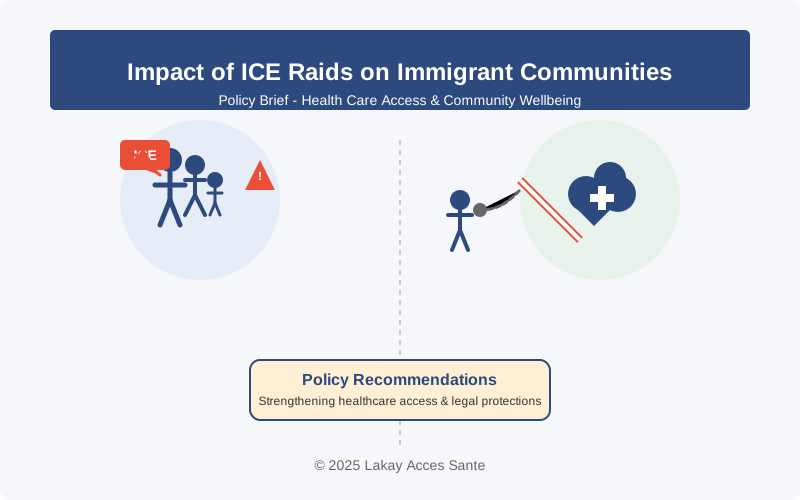
Enpak Operasyon Aplike ak Retire ICE sou Kominote Migran nan NJ ak Aksè nan Swen Sante
Brief Politik pa Yenny Tavarez, Estajyè Politik ak Plaidoyer — 22 fevriye 2025
Rezime
- Apèsi : U.S. Immigration and Customs Enforcement (ICE) responsab pou idantifye, arete, ak deporte moun nan Etazini ki vyole lwa imigrasyon. Brief sa a egzamine enpak sante aksyon ICE sou kominote imigran yo.
- Prensip Konkli :
- Aksyon ICE gen yon efè inegal sou popilasyon vilnerab, ki gen ladan timoun, travayè, ak fanmi, sa ki mennen nan konsekans sante enpòtan.
- Rezilta sante piblik te enpakte negativman, ak ogmantasyon estrès ak lakrent nan kominote imigran yo.
- Rekòmandasyon Politik :
- Ranfòse aksè nan sèvis legal.
- Defann politik aplike imigrasyon vize ki bay priyorite a moun ki gen dosye kriminèl ak enkyetid sekirite nasyonal.
- Kolabore pou defann pwoteksyon ak ekstansyon Estati Pwoteksyon Tanporè (TPS) pou gwoup migran yo.
Entwodiksyon
Operasyon Aplike ak Retire (ERO) ICE responsab pou atrape ak retire moun nan Etazini ki vyole lwa imigrasyon. Pandan misyon ICE a se sekirite nasyonal ak sekirite piblik, operasyon li yo afekte pwopòsyonèlman kominote imigran vilnerab yo, ki gen ladan Ayisyen ki resamman rive nan New Jersey.
Enpak Sante Operasyon ICE
Rechèch yo montre konsistan ke operasyon aplike ICE kreye yon klima lakrent ki dekouraje imigran yo pou chèche sèvis sante ak sosyal esansyèl. Konsekans yo enkli :
- Evitasyon swen medikal, ki mennen nan kondisyon ki pa trete.
- To ogmante nan anksyete, depresyon, ak twòma apre estrès (PTSD) nan mitan moun ki afekte yo ak fanmi yo.
- Timoun nan fanmi estati mikse ap fè eksperyans twòma ak eksperyans timoun negatif.
- Redwi patisipasyon nan pwogram sante piblik, ki gen ladan kanpay vaksinasyon.
Enpak sou Kominote Ayisyen nan NJ
Imigran ayisyen nan New Jersey fè fas ak vilnerabilite inik. Anpil gen Estati Pwoteksyon Tanporè (TPS) epi viv nan fanmi estati mikse. Ogmantasyon aktivite ICE te mennen nan plis lakrent, redwi itilizasyon swen sante, ak derangman lavi kominotè.
Rekòmandasyon Politik
- Ranfòse aksè nan sèvis legal gratis ak abòdab pou kominote imigran yo.
- Defann politik aplike imigrasyon vize ki konsantre sou moun ki gen dosye kriminèl grav, pa fanmi ak travayè.
- Sipòte ekstansyon ak pwoteksyon TPS pou imigran ayisyen ak lòt gwoup vilnerab.
- Envesti nan pwogram sante kominotè ki adrese konsekans sante mantal operasyon ICE sou fanmi imigran yo.
- Etabli pwotokòl klè pou pwoteje kote sansib tankou lekòl, lopital, ak legliz.
Brief politik sa a te prepare pa Lakay Acces Sante Inc. pou defann sante ak dwa kominote imigran ayisyen nan New Jersey.



Leave a Comment